


MindEar | Tinnitus Relief
3.634.00 Reviews
App Specs
- Version
- 1.1.34
- Updated On
- License
- Free
- Downloads
- 10,000+
- Developer
- MindEar
- Categories
- Medical
- Platform
- Android
Screenshots



 Analysis by AppCompare
Living with tinnitus can turn ordinary quiet moments into something exhausting, especially at bedtime. I approached MindEar as a practical medical app rather than a magic cure, and that distinction matters. Its purpose is to help people manage the experience of ringing or other unwanted ear sounds, with particular attention to sleep relief and virtual therapy. In my view, its strongest idea is not that it promises to remove tinnitus, but that it gives users a structured way to respond when the sound starts controlling their attention.
The app is free to install, which makes it easy to try without committing money at the beginning. It is developed by MindEar and sits in the medical category, with an Everyone age rating. The current version is 1.1.34, and it works on Android 8.0 or later. Its overall average is 3.6 from around 236 ratings, while its reach is still relatively modest at over 10K installs. Those figures suggest an app with a real audience but also one that has not yet reached the maturity or broad recognition of the biggest general wellness platforms.
What using MindEar feels like in everyday life
The most useful way to think about this app is as a guided support tool for moments when tinnitus becomes intrusive. I would not open it expecting a diagnostic examination, a hearing test, or a replacement for an audiologist. I would open it when I needed help shifting my attention, calming the reaction to the sound, or building a more manageable bedtime routine.
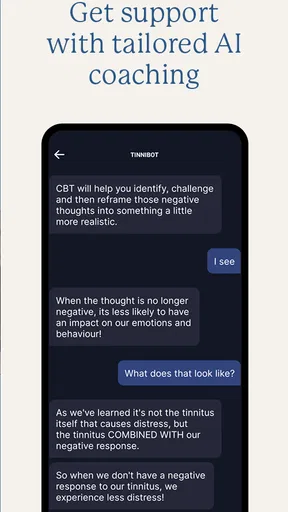
That makes the app particularly relevant for someone who has already noticed a pattern: the ringing feels louder when the room is silent, stress is high, or attention is fixed on it. In those situations, the problem is not always only the sound itself. The worry surrounding it can make the experience feel more urgent, and that urgency can make sleep even harder. A virtual therapy approach is useful because it addresses the response as well as the sensation.
My first recommendation would be to use it at a predictable time instead of waiting until frustration has peaked. For example, if you usually lie awake listening to the ringing, opening the app shortly before bed may be more helpful than reaching for it after an hour of anxiety. That small change turns it into part of a routine rather than an emergency button.
A realistic scenario would be a person who finishes work, enters a quiet bedroom, and suddenly notices the tinnitus much more clearly. Rather than searching the internet for alarming explanations, that person can use MindEar as a calmer first step: settle down, follow the available therapeutic guidance, and give the mind something structured to do. The benefit is not necessarily immediate silence. The more realistic goal is reducing the sense that the sound demands constant monitoring.
The app is most convincing when treated as a practice tool, not a one-session solution. Tinnitus management often depends on repetition and patience. If someone uses it once, dislikes the result, and concludes that it failed, they may miss the part that matters: learning how to react differently over time. That said, the app also needs to make that gradual process feel clear, because users who are tired or distressed may not have much patience for vague guidance.
Worth Reading Before You Choose

EA SPORTS FC Mobile 26 Is a Bigger Football Game, but It Takes Time

Flipboard Shows What News Apps Must Do Beyond the Feed

Switching to Android Auto Means Rethinking Your Driving Routine

Google Calendar Makes a Crowded Week Easier to Manage

Ludo King Makes the Most of the Minutes Between Plans

Baby Panda World Brings Quick Play to Modern Phones, but Its Game Library Feels Busy
A therapy-first alternative to simply masking sound
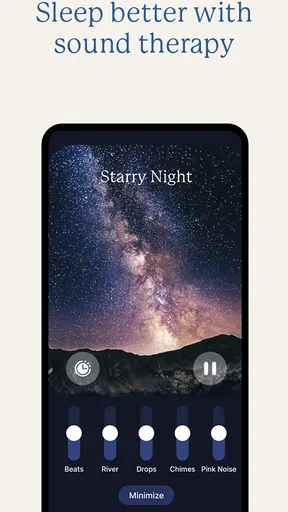
Many people begin with familiar alternatives such as music, a fan, white noise, nature recordings, or a sleep app. Those options can be useful because they make tinnitus less noticeable. Their main strength is immediate environmental relief: add a sound, and the contrast between the ringing and the room may decrease.
MindEar takes a different route. Instead of relying only on background audio, it is built around virtual therapy for managing tinnitus. That is a meaningful difference for users who want to understand their reactions and develop coping habits rather than depend entirely on a sound playing beside the bed.
I would still keep a sound-based option available. There are nights when masking is the simplest answer, particularly if the main problem is a completely silent room. The trade-off is that masking may become a passive habit, while a therapy-oriented app asks for attention and participation. Someone who wants to press play and fall asleep may prefer a conventional sleep-sound app. Someone who wants a guided approach to the emotional and attentional side of tinnitus may find MindEar more relevant.
This distinction also affects when the app is best used. A sound machine can run in the background while you do something else. A therapeutic session may be more effective when you are willing to pause, listen, and follow the process. I would therefore use it during a deliberate wind-down period, not necessarily as the only audio source throughout the entire night.
Why the sleep angle matters
Sleep is where tinnitus can become especially disruptive. During the day, conversation, traffic, work, and household noise compete for attention. At night, the mind has fewer distractions, so the same internal sound may feel more prominent. Poor sleep then increases tiredness and irritability, which can make the next night harder.
MindEar’s focus on sleep relief gives it a practical entry point. You do not need to solve every aspect of tinnitus before seeing value from it. If the app helps you spend less time checking whether the ringing is still there, that alone can improve the bedtime experience. I consider this a more realistic measure of success than expecting the sound to disappear.
One useful workflow is to separate the app from the moment of panic. Use it when you are reasonably calm to learn what the sessions feel like, then return to it when tinnitus becomes more noticeable. This reduces the chance that the app itself becomes associated only with sleeplessness and distress. It also gives you a better sense of which parts of the experience are personally useful.
Another practical tip is to avoid judging the app solely by whether you can hear the tinnitus during a session. Hearing it does not automatically mean the session is ineffective. A better question is whether your attention becomes less locked onto it, whether your body feels less tense, or whether you stop predicting that the night will be ruined. Those are quieter improvements, but they are more consistent with the app’s management approach.
Where the experience may frustrate people
The clearest limitation is that a virtual therapy app cannot address every possible cause or type of ear symptom. Tinnitus can vary widely, and a general digital program may feel too broad for someone who needs individualized clinical assessment. If the sound is new, sudden, one-sided, accompanied by hearing changes, dizziness, pain, or other concerning symptoms, I would seek medical advice rather than relying on an app.
Even for people who are suitable users, expectations need careful handling. The name and purpose may attract someone hoping for a direct cure, but management is a different promise. Some users may feel disappointed if the ringing remains present after using it. That disappointment is not necessarily evidence that the app has no value; it may reflect a mismatch between what the user wanted and what digital therapy can reasonably provide.
There is also a participation cost. A therapy-oriented experience asks you to engage with exercises or guidance instead of passively consuming content. When you are exhausted, anxious, or desperate to sleep, that can feel like work. This is where a simple background sound may be the better choice. MindEar is not automatically the most convenient option just because it is designed for tinnitus.
The commercial model is another point to consider. The app is free, but in-app purchases range from $5.99 to $289.99 per item. That is a wide spread, so I would pay close attention to what is available without payment and what a purchase unlocks before spending anything. A free starting point is welcome, but users should not assume that every therapeutic element will remain equally accessible without an upgrade.
I would also avoid making a purchase during a particularly bad night. When someone is frightened or sleep-deprived, it is easy to make a rushed decision simply to feel that something is being done. Trying the free portion in daylight, deciding whether the approach fits, and then considering the cost more calmly is a better workflow.
Who is likely to benefit most
I think MindEar is a good candidate for adults who are looking for a structured introduction to tinnitus management, especially when sleep and attention are the main difficulties. It may suit someone who has already been medically assessed and wants a tool to use between appointments, or someone who wants to explore coping strategies before deciding whether a more formal program is appropriate.
It may also help people who have tried ordinary background noise but feel that masking alone does not change their anxiety around tinnitus. The therapy angle gives them something more active to practice. Users who are comfortable with gradual progress, reflective exercises, and returning to an app regularly are likely to get more from it than users looking for an instant switch.
People who should probably choose another option first include those seeking a diagnosis, those with worrying new symptoms, and those who need direct contact with a hearing specialist. It is also not my first recommendation for someone who wants a completely passive sleep aid. A dedicated sound app, a bedside fan, or a clinician-guided treatment plan may be more suitable depending on the situation.
The Everyone rating makes the app broadly approachable, but that should not be confused with universal suitability. Age accessibility does not remove the need for judgment about symptoms, mental health, hearing history, or the effect tinnitus is having on daily life. A digital tool can support care; it should not be the only response when the problem is severe or changing.
Small habits that make a trial more useful
I would begin by setting a modest goal. Instead of asking whether MindEar will eliminate tinnitus, decide whether it can help you fall asleep with less struggle, interrupt a cycle of checking, or reduce the fear attached to the sound. A narrow goal makes it easier to notice meaningful progress.
Use the app in the same general part of your routine for several days. Consistency gives you a fairer impression than opening it randomly during the worst moments. Keep the surrounding environment comfortable as well: dim the screen, avoid treating the session like a test, and give yourself enough time to settle afterward.
It can also help to compare the app with your usual alternative rather than abandoning everything else. On one night, use a familiar background sound; on another, try the therapeutic approach. Pay attention to the kind of relief each provides. If masking helps you fall asleep but leaves you dependent on constant audio, while MindEar helps you feel less alarmed by the ringing, both may have a place in your routine for different reasons.
Finally, notice whether the app reduces distress even when the perceived volume does not change. That is an important distinction. Tinnitus management often involves changing the relationship with the sound, not winning a direct battle against it. If the app helps you stop treating every flare-up as a crisis, that may be a more durable result than a temporary distraction.
My verdict after weighing the trade-offs
MindEar is a worthwhile free starting point for people who want a therapy-based way to cope with tinnitus, particularly when bedtime and anxious attention are involved. Its strongest quality is the decision to focus on management rather than presenting tinnitus as a simple sound problem solved by a single audio track. That gives it more purpose than a basic noise generator, while still leaving room for traditional masking tools.
It is not the right app for diagnosis, urgent symptoms, or anyone expecting guaranteed silence. The broad in-app purchase range also means I would explore the free experience carefully before paying. Its moderate 3.6 average and relatively small install base suggest that prospective users should approach it with realistic expectations rather than assuming it will work equally well for everyone.
My recommendation is specific: try it if your tinnitus is already understood medically and your main goal is learning to handle it more calmly, especially at night. Give it a consistent trial, judge changes in distress and sleep rather than only changes in volume, and keep a simple masking option available when you need passive relief. For that audience, MindEar offers a thoughtful and accessible companion. For everyone else, particularly those with new or troubling symptoms, professional medical guidance should come before app-based self-management.
Pros
- Guided exercises are simple enough for beginners to follow independently.
- The short sessions fit easily into a daily wellness routine.
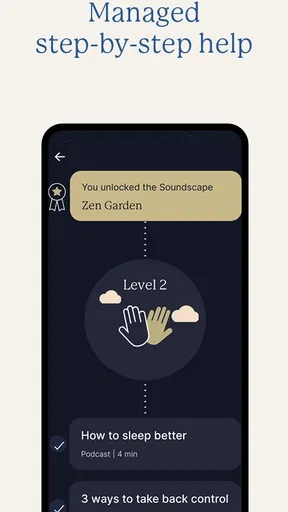
- Progress tracking can help users stay consistent with practice.
- Audio-based guidance makes the app convenient to use away from home.
- It offers a structured approach rather than random relaxation exercises.
Cons
- Results may vary significantly depending on the cause and severity of tinnitus.
- Some exercises require quiet surroundings
- which may not suit every user.
- Regular practice is needed
- so benefits may not be immediate.
- The audio content may feel repetitive after extended use.
- It should not replace professional evaluation for sudden or worsening symptoms.
FAQs for MindEar | Tinnitus Relief
What is MindEar, and how is it designed to help with tinnitus?
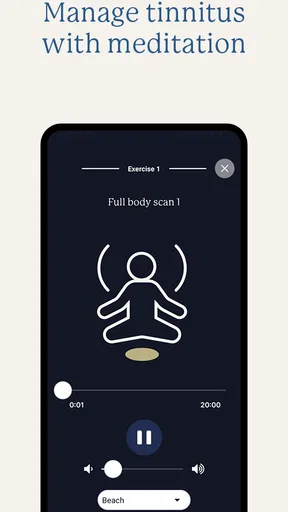
MindEar is a tinnitus-support app that combines educational information, relaxation exercises, mindfulness techniques, and guided sound-based activities. Its goal is to help users better understand tinnitus and reduce the stress, anxiety, and attention often associated with ringing or other phantom sounds. It is intended as a self-management tool, not as a guaranteed cure or replacement for professional medical care.
Can MindEar cure tinnitus or replace an appointment with a doctor?
No. MindEar should not be considered a cure for tinnitus, hearing loss, ear disease, or any underlying medical condition. The app may help some people manage their reactions to tinnitus and make symptoms feel less intrusive, but results can vary considerably. Users with new, worsening, one-sided, pulsating, or distressing tinnitus should seek advice from a qualified healthcare professional rather than relying only on the app.
What features and exercises are available in MindEar?
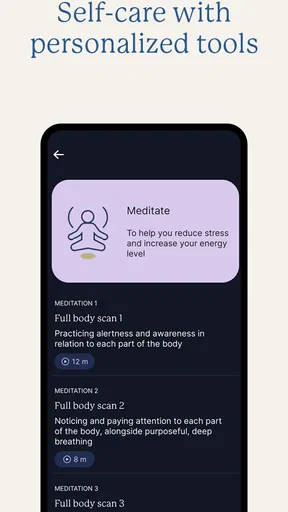
The app generally focuses on structured tinnitus education, guided psychological or mindfulness-based exercises, relaxation sessions, and sound activities intended to support habituation and reduce tinnitus-related distress. Depending on the version, access level, and device, users may also find progress guidance or personalized recommendations. It is worth exploring the available program before subscribing, because features and content can change through updates.
Is MindEar suitable for everyone, including people with hearing problems?
MindEar may be useful for adults who want additional support managing tinnitus-related stress, but it is not automatically suitable for every user. People with significant hearing loss, sound sensitivity, dizziness, ear pain, neurological symptoms, or communication difficulties should consult a clinician before beginning sound-based exercises. Keep volume comfortable, stop if symptoms worsen, and avoid using the app as a substitute for hearing assessment or treatment.
Is MindEar free to download, and does it require a subscription?
MindEar can typically be downloaded without an upfront charge, but some programs, coaching elements, or advanced content may require an in-app purchase or subscription. Pricing, trial periods, renewal terms, and available features can differ by country, operating system, and current store listing. Before confirming payment, review the subscription screen carefully, including automatic renewal and cancellation instructions, so there are no unexpected charges.


